
When you know your Great Pyrenees’ personality to be an affectionate dog with good behavior, it can be quite surprising when they start becoming aggressive.
Sudden aggression is unusual behavior that can include behavior such as growling, snapping, biting, barking, nipping, or barking at strangers or other animals.
So what are the reasons behind a Great Pyrenees becoming aggressive?
We outline the reasons for sudden Great Pyrenees aggression, what to do about it and when to seek help.
Table of Contents
Why Is My Great Pyrenees So Aggressive?
A Great Pyrenees becoming aggressive is most often tied to instinctive guarding behavior, fear, lack of structure, or environmental stress rather than true hostility.
This breed was developed to make independent decisions while protecting livestock, which means they are naturally suspicious, territorial, and slow to trust unfamiliar people or animals.
When those instincts are not properly guided, aggression can emerge as barking, lunging, snapping, or guarding behavior. In some cases, pain or discomfort can further lower tolerance and intensify reactions.
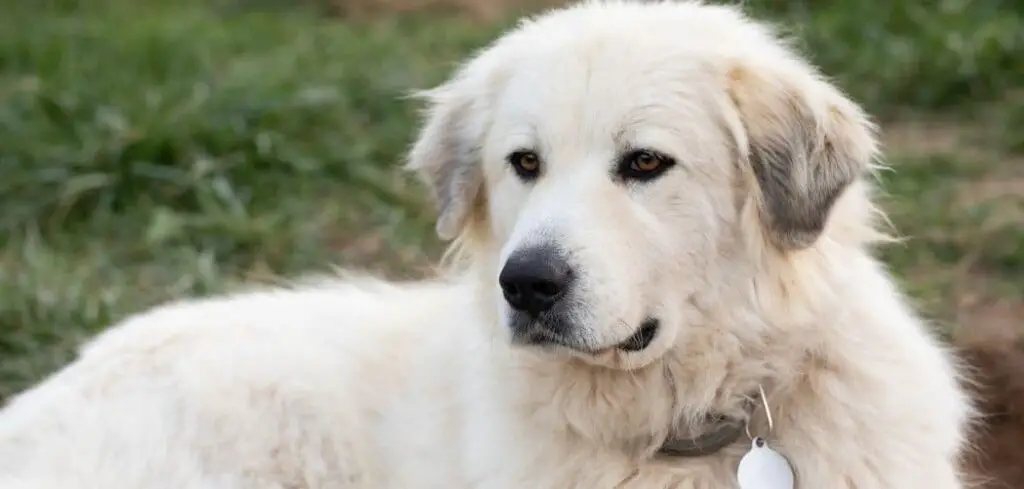
Great Pyrenees Suddenly Aggressive
A Great Pyrenees that suddenly becomes aggressive is often reacting to pain, fear, stress, or an underlying medical issue rather than a true personality change.
Sudden aggression can be triggered by conditions like arthritis, injury, neurological disease, hormonal imbalances, or sensory decline in older dogs.
Because this breed is typically calm and protective, a sudden behavior shift is especially significant.
Any sudden aggression should be treated as a red flag and evaluated by a veterinarian to rule out medical causes before assuming it is behavioral.
Great Pyrenees Rage Syndrome
“Rage syndrome” is a term sometimes used to describe sudden, unprovoked aggressive episodes in dogs, but it is rare and often misdiagnosed.
In most cases, what appears as rage syndrome is actually caused by pain, epilepsy-related behavior, neurological disorders, or severe fear responses.
There is limited scientific evidence supporting it as a true standalone condition.
If a Great Pyrenees shows unpredictable aggression, a full veterinary and behavioral assessment is needed rather than assuming rage syndrome.
Male Great Pyrenees Behavior Problems
Male Great Pyrenees may show behavior issues such as territorial guarding, stubbornness, leash pulling, or overprotectiveness if not properly trained and socialized.
Hormonal influences can also contribute to dominance-related behaviors, especially in intact males.
Because the breed is naturally protective, poor structure or lack of leadership can lead to misdirected guarding behaviors.
Consistent training, early socialization, and neutering (when appropriate) can significantly reduce behavior problems.
Female Great Pyrenees Behavior Problems
Female Great Pyrenees may show behavior issues such as anxiety, reactivity, resource guarding, or protective aggression, especially in stressful environments.
Hormonal cycles can also influence mood and behavior, particularly in intact females. They may become more sensitive or defensive if they feel their space or family is threatened.
With proper training and stable routines, most female Great Pyrenees are calm, steady, and well-behaved.
Aggressive Great Pyrenees: Common Causes
Strong Guardian Instincts
Great Pyrenees are livestock guardian dogs by design, bred to protect territory and those under their care without constant human direction.
This instinct can translate into aggressive behavior when the dog perceives people, animals, or situations as threats.
You may notice growling at visitors, blocking doorways, barking aggressively at fences, or positioning themselves between family members and perceived dangers.
To the dog, this behavior feels necessary and appropriate, even if it appears excessive in a household setting.
Because these instincts are deeply ingrained, unmanaged guarding behavior can escalate over time rather than fade on its own.
Lack of Early and Ongoing Socialization
A Great Pyrenees that was not thoroughly socialized during puppyhood may struggle to feel safe around unfamiliar people, dogs, or environments. Without early exposure, novelty often triggers suspicion instead of curiosity.
This can lead to aggressive responses such as barking, snapping, or lunging when new situations arise.
The dog may not be trying to dominate, but rather attempting to create distance from what feels unpredictable or threatening.
Even adult Great Pyrenees need continued positive exposure to reinforce calm, confident behavior throughout their lives.
Fear-Based Aggression
Fear is a powerful driver of aggression in Great Pyrenees. Loud noises, sudden movements, unfamiliar handling, or past negative experiences can push a fearful dog into defensive behavior.
Signs of fear-based aggression may include stiff body posture, avoidance followed by growling, or snapping when escape feels impossible.
Because Great Pyrenees are stoic, warning signs are sometimes subtle and easy to miss.
When fear goes unaddressed, the dog learns that aggressive displays are effective at making scary things go away, reinforcing the behavior.
Inconsistent Training and Boundaries
Great Pyrenees are intelligent but independent thinkers, which means inconsistent rules can quickly lead to confusion. When expectations change or training lacks follow-through, the dog may decide to manage situations on its own terms.
This often shows up as resource guarding, refusal to comply, or confrontational behavior toward family members. The aggression is not rooted in dominance, but rather uncertainty about leadership and responsibility.
Clear, calm, and consistent boundaries help reduce anxiety and prevent the dog from feeling the need to take control.
Territorial Behavior Around the Home
Territory is extremely important to Great Pyrenees. Homes, yards, vehicles, and even familiar walking routes may all be viewed as areas requiring protection.
Aggression may increase when strangers approach the property, enter the home, or move near fences.
Some dogs may also react aggressively to sounds or movements they cannot see, such as neighbors or passing cars.
Without guidance, territorial aggression can intensify with age as the dog becomes more confident in its role as protector.
Pain or Physical Discomfort
While the question often focuses on behavior, physical discomfort should never be overlooked. Joint pain, arthritis, dental issues, or internal discomfort can significantly lower a dog’s tolerance for interaction.
A Great Pyrenees in pain may react aggressively when touched, brushed, approached, or asked to move. This type of aggression is often sudden and out of character.
Pain-related aggression is particularly important to rule out, as behavior modification alone will not resolve discomfort-driven reactions.
Related: When do Great Pyrenees go into heat?
Are Great Pyrenees Aggressive to Other Dogs?
Great Pyrenees are not naturally aggressive, but they are highly territorial and protective, which can lead to conflict with unfamiliar dogs.
They may show dominance or guarding behavior, especially if they were not socialized early. Their livestock guardian instincts can also make them cautious or reactive toward other animals.
Proper socialization from puppyhood greatly reduces dog-to-dog aggression.
Are Great Pyrenees Aggressive to Strangers?
The Great Pyrenees is naturally reserved and protective of its home and family, which can make it appear unfriendly to strangers.
This is not true aggression in most cases, but rather guarding behavior. They tend to be calm but watchful, only becoming defensive if they perceive a threat.
Early training and exposure to different people help them distinguish between normal visitors and real threats.
Great Pyrenees Aggressive Towards Humans at Night
Aggression at night in Great Pyrenees is often linked to heightened guarding instincts, fear responses in low visibility, or underlying medical or cognitive issues in older dogs.
At night, dogs may become more sensitive to sounds or movement, triggering protective reactions.
In senior dogs, confusion or cognitive dysfunction can also contribute to unexpected aggression.
If nighttime aggression appears suddenly, a veterinary check is important to rule out pain, neurological disease, or sensory decline.
What to Do If Your Great Pyrenees Is Aggressive
If your Great Pyrenees is showing aggressive behavior, start by managing the environment to reduce exposure to known triggers. Preventing repeated stress responses helps stop aggression from becoming a learned habit.
Establish consistent routines and clear expectations. Predictability helps this breed feel secure and reduces the need for self-appointed guarding behavior.
Focus on calm, reward-based training that reinforces relaxed responses rather than confrontation. Great Pyrenees respond best to patience, not force.
Provide adequate mental and physical stimulation through structured walks, controlled social exposure, and problem-solving activities. Boredom and pent-up energy can worsen reactivity.
If aggression feels overwhelming, working with a qualified trainer experienced in guardian breeds can make a significant difference.
When to Call or Visit Your Vet
A veterinary visit is important if aggression appears suddenly or worsens rapidly. Sudden behavioral changes can signal pain, illness, or neurological issues.
Seek professional help immediately if your Great Pyrenees has snapped, bitten, or attempted to bite a person or another animal. Safety must come first.
If aggression is accompanied by changes in appetite, mobility issues, vocalization, or sensitivity to touch, medical causes should be addressed before focusing solely on training.
Long-standing aggression that does not improve with consistent management may benefit from a combined approach involving your veterinarian and a behavior professional.
Read more: Great Pyrenees Digging (What it really means)
Key Takeaway
In most cases, Great Pyrenees aggression is rooted in instinct, fear, confusion, or discomfort—not malice.
With structure, patience, proper guidance, and medical support when needed, many Great Pyrenees can learn calmer, safer ways to navigate their world.
Addressing the cause early protects both your dog’s well-being and the people around them.


